8 Tips to Improve Pool Safety
Since its inception in May 2007, organizations nationwide have unified to promote National Water Safety Month. This annual awareness campaign is organized by the Pool & Hot Tub Alliance, with help from the American Red Cross, the National Drowning Prevention Alliance, the National Recreation and Park Association, and the World Waterpark Association. To help pool operators prepare for Water Safety Month, the Waters Edge Aquatic Design team is sharing relevant data, insights, and resources.
National Water Safety Data
According to the Centers for Disease Control and Prevention (CDC), over 4,000 unintentional drowning deaths are recorded in the United States each year. In 2020 alone, injuries and deaths from drowning cost the U.S. $53 billion. Data published by the CDC this past January shows that more children ages 1-4 die from drowning than from any other cause of death, and drowning is the second leading cause of unintentional injury death for children ages 5-14, behind motor vehicle crashes. Drownings are not always fatal, with over 8,000 nonfatal drownings occurring in the U.S. each year — that is an average of 22 per day. Nonfatal drowning can result in a range of injuries, from minor to severe, including brain damage or permanent disability.
Drowning risks differ among various groups and income levels. According to the American Red Cross, 64% of African American, 45% of Hispanic/Latino, and 40% of Caucasian children have little to no swimming skills. These numbers increase significantly among children whose parents have no or low swimming skills, with 78% of African American, 62% of Hispanic/Latino, and 67% of Caucasian children lacking swimming ability. Drowning is the leading cause of death for people on the autism spectrum, as they are nearly 40 times more likely to die from drowning than the general population. When income is considered, 79% of children in households earning less than $50,000 annually have little to no swimming skills.
Injuries and disease outbreaks can result from improper chemical balances in pools. CDC statistics show that each year, pool chemical injuries account for 4,500 emergency department visits, with at least one-third of patients under 18 years old. Additionally, over 200 disease outbreaks were linked to pools, hot tubs, and splash pads from 2015 to 2019, with Cryptosporidium as the leading cause. This parasite is resistant to chlorine and can cause respiratory and gastrointestinal illness. These outbreaks can sicken hundreds or even thousands of people.
The CDC reports that one in eight routine public pool inspections resulted in the immediate closure of a facility because at least one violation posed a serious threat to public health and safety.
Water Safety Tips
- Lifeguard Staffing and Training
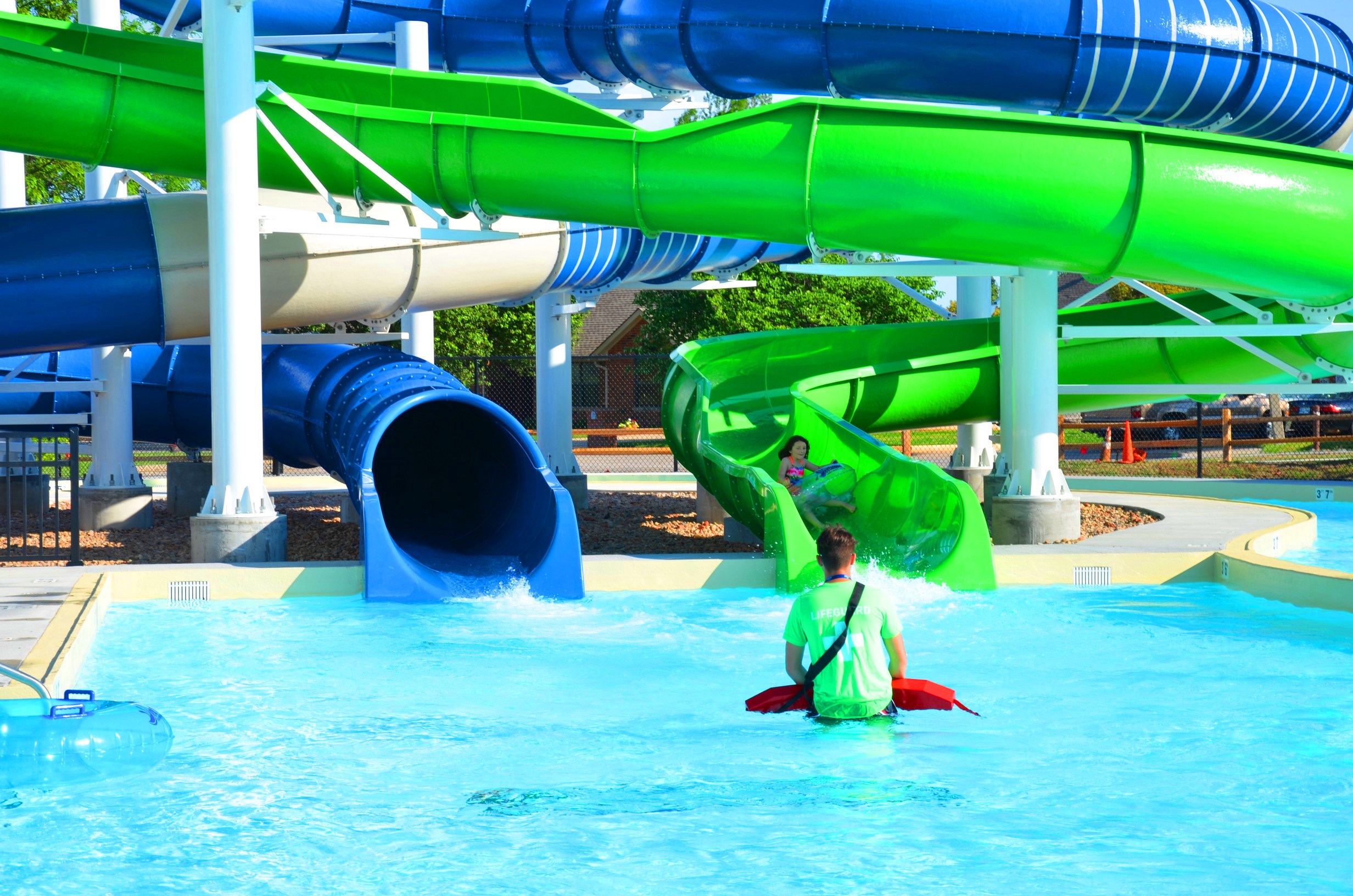
The appropriate number of trained, certified lifeguards depends on your facility’s size, maximum capacity, features, and other site-specific conditions. Visibility is a key factor in proper lifeguard placement; observation points should maintain clear lines of sight and avoid glare. Be sure to review your state’s codes and any other relevant local regulations to stay compliant. Every lifeguard on staff must be current with their CPR and AED certifications. Additionally, investing in ongoing lifeguard training helps maintain high safety standards among your staff, ensuring they are prepared for any situation. Lifeguards should also be familiar with all pool rules and enforce them consistently.
- Maintain Proper Safety Equipment
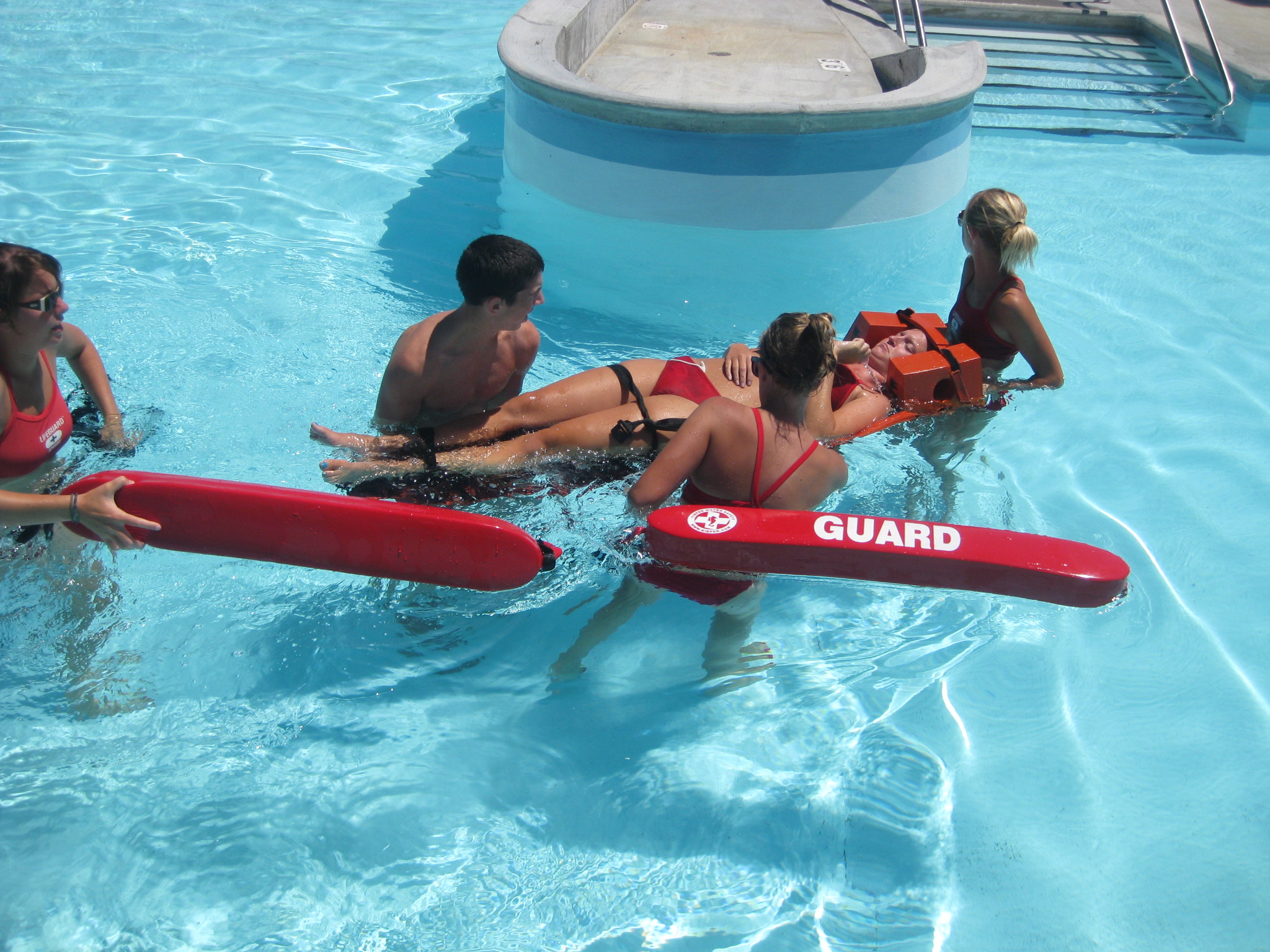
Pool operators are responsible for maintaining a sufficient supply of safety equipment, including first-aid kits, automated external defibrillators (AEDs), rescue buoys and tubes, life jackets, and spinal boards. Keeping a detailed inventory and properly storing safety equipment are essential for emergency preparedness. Pool staff should be made aware of the location of safety equipment on site, and no equipment should be operated without proper, full training. Be sure to follow the safety rules and guidelines established by all applicable governing bodies and agencies as they apply to your facility.
- Conduct Routine Maintenance
Maintaining your pool deck, basin, features, pumps, water, chemicals, and mechanical spaces not only extends your facility’s lifespan but also provides a safe environment for guests. Checking chlorine and pH levels multiple times per day ensures the water is safe for swimming, while weekly water-chemical testing maintains proper balance and extends your facility’s lifespan. Regularly cleaning filters keeps pool pumps operating efficiently while maintaining proper water circulation. Inspecting your pool deck for cracks, uneven surfaces, or slippery spots helps identify hazards that could lead to accidents. Storing chemicals in a cool, dry place with proper labels and encouraging staff to use PPE when handling them helps prevent incidents such as injury, illness, or property damage. Additionally, keeping chemicals separate prevents cross-contamination.
- Place Visible Signage
Place clear and visible signs throughout your facility to communicate pool rules, regulations, and emergency procedures to guests. Proper signage, including water depth, diving rules, no-running, and emergency contact information, serves as the first line of defense against potential incidents and assists lifeguards in enforcing the rules. Check local regulations to ensure your facility’s signage complies with current standards.
- Implement an Emergency Response Plan
Implementing an emergency response plan, including procedures for injuries, rescues, safety concerns, and other emergencies, is crucial for pool operators. Review emergency plans with all facility staff at the start and end of each pool season and ensure each team member is trained to handle various emergencies. Staff should train for and practice each emergency response plan throughout the pool season.
- Record Incidents and Rescues
Documenting key details about incidents and rescues, including where and when the incident occurred, what the victim was doing, who was supervising, what barriers were in place, and what the outcome was, helps identify trends and patterns to learn from. Make sure to use consistent terminology aligned with national frameworks, and state only facts, not opinions, as this data could be used more broadly for drowning prevention research. Every aquatic operator has a professional responsibility to serve as a steward of their facility’s records, not just for administrative needs, but also to protect public health and safety.
- Follow Local Pool Codes
Compliance with city, county, and state codes is important not only for legal purposes but also for health and safety standards. While specific codes vary by location, the CDC’s Model Aquatic Health Code (MAHC) works as a general guideline to prevent injury and illness at your facility. This guidance was created by the CDC to help jurisdictions save time and resources when developing and updating pool codes. The MAHC applies to any aquatic venue open to the public, including hotels, apartment complexes, homeowners’ associations, membership clubs, schools, waterparks, and more.
- Start a Learn to Swim Program
Providing accessible swimming lessons for people of all ages and abilities is one of the most impactful steps you can take to prevent drowning in your community. Consider partnering with your local school district or nonprofit organizations, such as the YMCA or USA Swimming, to offer affordable swim lessons at your facility. Offering a scholarship program by soliciting funding from local businesses and organizations gives participants free or reduced-cost options and can help promote your program. Swimming is not only a fun activity that promotes a healthy lifestyle but also a lifesaving skill.
Prioritize Water Safety
National Water Safety Month is a reminder that preventing drowning and water-related injuries and illnesses requires awareness, education, and sustained action. By prioritizing proper staffing, routine maintenance, clear communication, and accessible swim lessons, aquatic venues can play a critical role in safeguarding their communities. Although swimming pools carry risks, a proactive approach grounded in data, training, and preparedness can dramatically reduce them — ensuring that every visit to the pool is not only enjoyable but also safe for all. For additional information, please visit the resources below.
Additional Resources